Why Now Is the Time for Robotic Welding.
Published on 17 December 2025
The Australian steel fabrication sector is under increasing pressure from low priced imported fabricated steelwork. According to the Australian Steel Institute, imported steel is entering the market at prices between 15 and 50 percent below the cheapest local offers. This influx is placing sustained strain on domestic fabricators, with many reporting reduced revenue, lower capacity utilisation, and tightening margins.
Weld Australia has raised similar concerns, warning that some imported fabricated steel may not comply with Australian standards. Beyond pricing pressure, this trend threatens local jobs, quality outcomes, and Australia’s long term manufacturing capability.
In this environment, competing on price alone is becoming increasingly difficult. Robotic welding in Australia is no longer a future consideration. It is increasingly becoming a practical and strategic response for fabricators looking to remain competitive.
What The Numbers Show And Why It Matters
Recent industry data highlights the scale of the challenge facing Australian fabricators.
The Australian Steel Institute reports that fabricated steel imports increased by nearly 50 percent in 2024 compared with the 2016 to 2021 period. In November 2025, Australian Steel Institute lodged a formal safeguard application with the Australian Government seeking temporary trade remedies such as quotas or tariffs to reduce the volume of low cost imports entering the market.
Australian Steel Institute has also reported that more than a dozen steel fabrication businesses in western Sydney alone have closed within the past 18 months. Nationally, the impact is estimated to be at least three to four times greater.
Weld Australia has emphasised that this issue extends beyond pricing. Non compliant imported steel raises concerns around safety, weld quality, and Australia’s ability to reliably supply structural steel for critical infrastructure projects.
For many local fabricators, the outcome is clear. Margins are under pressure, workloads are shrinking, and long term viability is at risk.
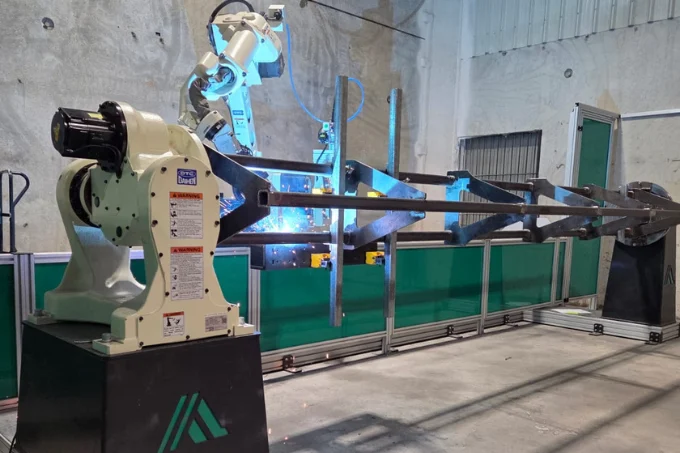
Why Robotic Welding Makes Strategic Sense
Against this backdrop, robotic welding offers a practical way forward for Australian steel fabricators.
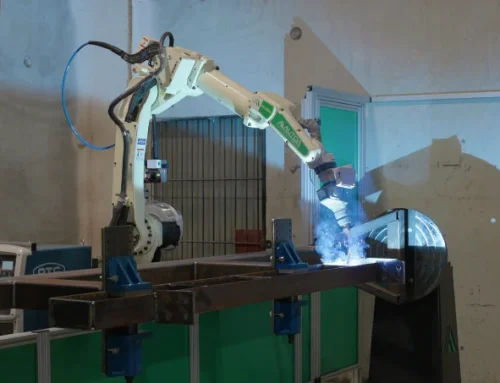
Robotic welding delivers a significant improvement in productivity. Robotic welding cells can produce consistent output at scale while reducing reliance on large manual labour pools. With skilled welders increasingly difficult to source, robotic welding helps stabilise production and allows businesses to respond more effectively to changes in demand.
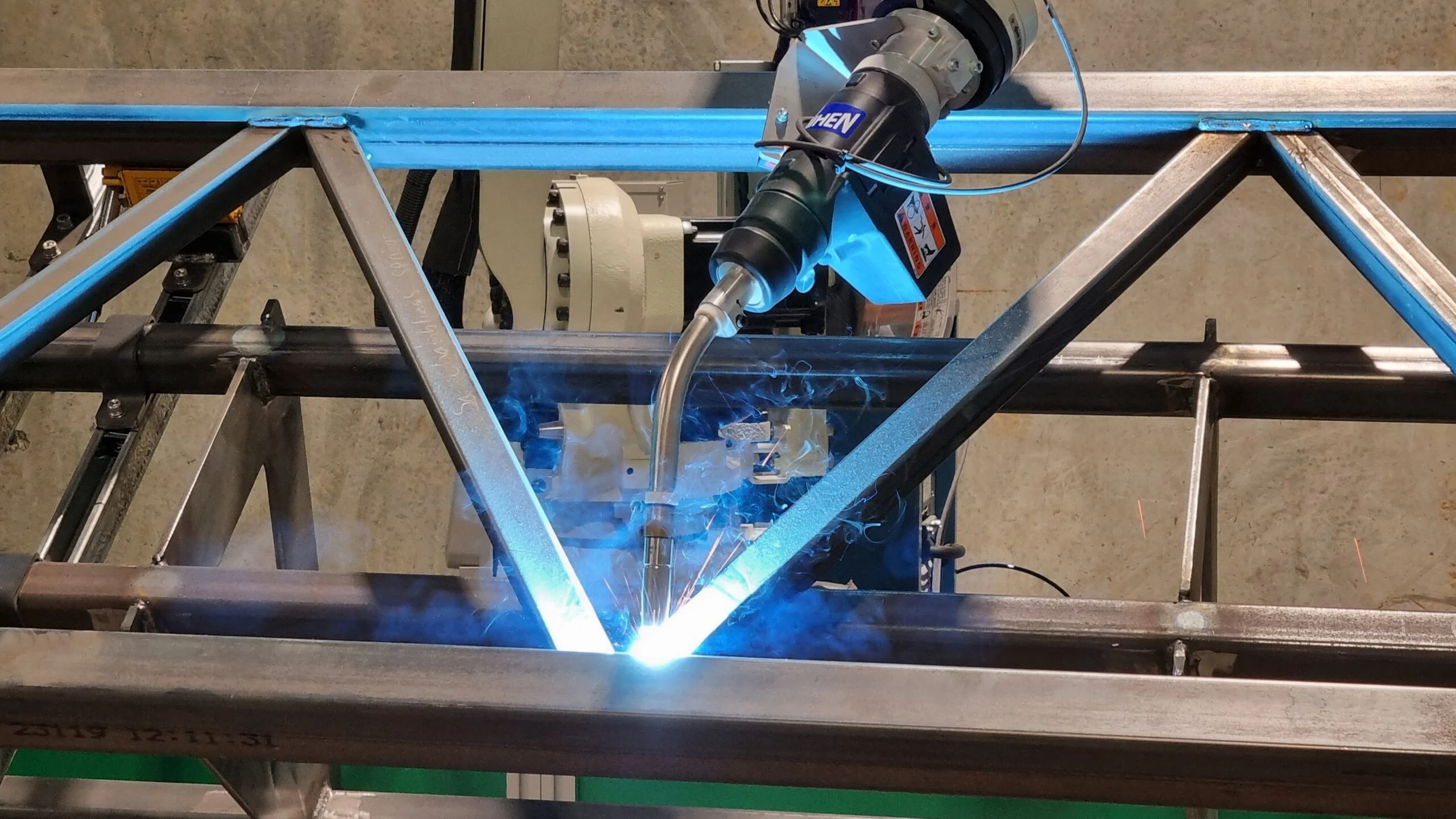
Consistency and compliance are also key advantages. With growing concern around the quality of imported steelwork, robotic welding enables repeatable weld quality and tighter process control. This reduces the risk of defects, rework, and costly quality issues, particularly in structural and safety critical applications.
While robotic welding requires upfront investment, the long term cost benefits are substantial. Reduced labour input, lower scrap rates, and less rework help reduce cost per unit over time. This allows Australian fabricators to remain competitive even when import pricing is artificially low.
Robotic welding systems also offer flexibility across a wide range of fabrication work. From structural steel and heavy fabrication to smaller batch or mixed production runs, robotic welding allows fabricators to expand capability and take on work where quality, reliability, and delivery are critical.
Most importantly, robotic welding supports long term resilience. By improving productivity and weld consistency, fabricators can sustain local operations, retain skilled roles, and maintain manufacturing capability within Australia.
What This Means For Fabricators Today
For fabrication and welding businesses operating in Australia, or supplying into the Australian market, this is a critical moment. The competitive landscape is shifting, and success is increasingly tied to efficiency, reliability, and compliance rather than labour cost alone.
Investing in robotic welding provides a clear strategic advantage. It reduces exposure to being undercut by cheap imports. It enables fabricators to offer stronger value through faster turnaround, consistent weld quality, and compliance with Australian standards. It also supports more sustainable production that is less vulnerable to global price fluctuations or offshore labour competition.
Robotic welding does not replace skilled welders. It supports them by allowing experienced teams to focus on complex and high value work while robotic welding systems handle repetitive and high volume tasks.
Robotic Welding As A Strategic Response
Cheap imported fabricated steel continues to challenge the viability of the Australian steel fabrication sector. Industry bodies such as the Australian Steel Institute and Weld Australia are actively pushing for government intervention, but fabricators cannot rely on policy outcomes alone.
Robotic welding provides a clear and practical path forward. It enables businesses to improve productivity, maintain weld quality, and stay competitive in a market under sustained pressure.
For Australian fabricators looking to future proof their operations, the message is clear. Now is the time to invest in robotic welding, strengthen capability, and compete on efficiency, quality, and reliability rather than price alone.
To explore how robotic welding can support your fabrication workflow, get in touch with the Autoa team.
hello@autoaweld.com | AU: 1800 573 228 | NZ: 0800 37 55 66
Share this article