Avoiding Common Pitfalls When Introducing Robotic Welding.
Published on 28 November 2025
Robotic welding can transform production by increasing output, improving consistency, and reducing pressure on skilled welders. Many manufacturers want these gains but run into issues that slow projects or limit results. Most challenges appear early and can be avoided with the right planning and support.
Below are the most common pitfalls we see across Australia and New Zealand when companies introduce robotic welding, along with practical steps to avoid them.
1. Choosing the Wrong Parts for the First Project
Many projects run into trouble because the chosen components are too complex, too inconsistent, or not suitable for a first robotic welding setup. Parts that require constant adjustment, have variable fit-up, or need frequent changes are challenging for new teams.
Start with stable, repeatable components that suit the strengths of robotic welding. Look for parts with predictable fit-up, consistent material thickness, and clear joints. A well-selected starting point helps your team build capability quickly and produces early wins. Autoa works with you to review your components upfront and confirm whether they are suited to robotic welding, ensuring you begin with parts that set the project up for success.
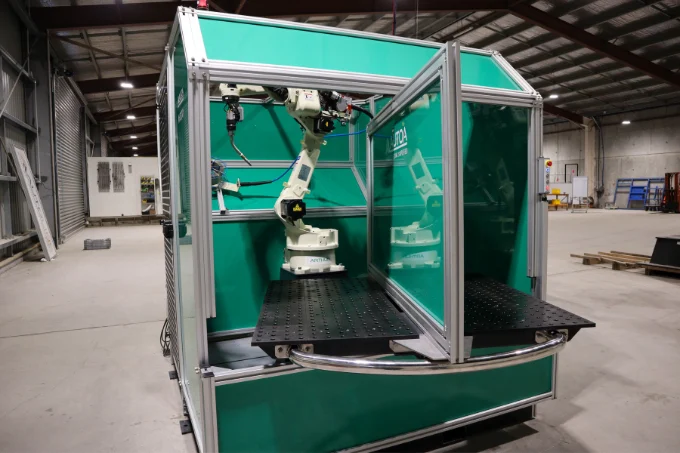
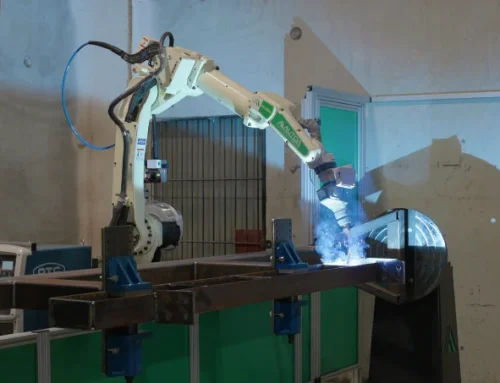
M1200 robotic welding cell prior to installation.
2. Limited or Poorly Structured Operator Training
Robotic welding relies on confident operators who understand both the workflow and the equipment. One handover session is rarely enough to teach teams how to adjust welds, manage fit-up differences, or keep the cell running day to day.
Plan structured training that covers software, settings, safety, common adjustments, and workflow. Autoa provides operator training built specifically for your parts and workflow, helping your team build confidence and maintain consistent performance from the start.
3. No Internal Champion Driving the Project
A robotic welding project performs best when someone inside the business takes ownership of the robotic welding cell. Without an internal champion, progress stalls, decisions slow down, and knowledge becomes scattered.
Assign a project lead who understands the parts, the workflow, and the production goals. Give them the time and responsibility to coordinate decisions, training, and ongoing improvements. A clear owner helps the system reach stable production faster. Autoa supports your internal champion with clear communication, project guidance, and practical recommendations throughout the entire setup.
4. Unclear Workflow and Poor Upstream Preparation
The robot can only weld what it receives. If parts arrive with variable fit-up, inconsistent tacks, missing fixtures, or unclear sequencing, operators spend more time adjusting than producing. This slows the benefits of robotic welding and creates frustration.
Review the full workflow from pre-tack to finished weld. Standardise fit-up, tack placement, and presentation. Autoa encourages you to review and strengthen upstream processes so the robotic welding cell receives consistent, repeatable parts that support reliable production.
5. Selecting a Supplier With Little Aftercare or Local Support
Many manufacturers invest in robotic welding only to discover that support stops once the system is delivered. Slow response times, limited technical knowledge, or no local presence create delays that reduce trust and impact output.
Choose a partner that offers reliable support, proven welding processes, and people who work with robotic welding every day. Look for local presence across Australia and New Zealand, clear escalation paths, and support that stays available long after commissioning. Autoa provides local support across Australia and New Zealand, fast response times, and ongoing technical guidance to keep your cell performing long term.
6. Underestimating the Importance of Jig Design
A robotic welding cell performs only as well as the parts placed in it. Poor fixturing leads to movement, distortion, and inconsistent results. Even small shifts can affect weld quality.
Invest early in proper jig design. Aim for stable support, repeatable clamping, and clear access for the torch. Good fixturing protects accuracy and reduces rework. Autoa assists with jig recommendations, reviews your design for suitability, and helps ensure the fixturing supports consistent weld quality.
7. Not Defining Success Before the Project Starts
Robotic welding projects need clear expectations. Without defined targets, teams struggle to measure progress or understand whether the system is performing as expected.
Define cycle time targets, weld quality standards, operator responsibility, changeover expectations, and service requirements before work begins. Autoa guides you through defining the right performance targets for your parts and production goals, giving the project a clear path from day one.
Setting Yourself Up for a Successful Robotic Welding Project
Robotic welding delivers strong results when planning, workflow, training, and support come together. Avoiding the pitfalls above helps teams build capability faster and protects the return on investment.
If you would like guidance on preparing for a robotic welding project, Autoa can help you review your parts, workflow, and goals to set the right path from the start.
hello@autoaweld.com | AU: 1800 573 228 | NZ: 0800 37 55 66
Share this article