Understanding the ASI Safeguard Application and Its Impact on Steel Fabricators.
Published on 15 January 2026
The Australian Steel Institute (ASI) has submitted the ASI Safeguard application to the Australian Government in response to a surge in low-priced imported fabricated steelwork. The application has progressed after referral from Federal Industry Minister Tim Ayres to the Treasurer. This referral indicates that the issue meets the threshold for deeper consideration under Australia’s trade measures framework.
This article explains what the ASI is asking for, how Safeguard measures work, and what this development means for Australian steel fabricators who are investing in automation and robot welding.
Why the ASI Safeguard application was submitted
The ASI has reported a significant rise in imported fabricated steelwork entering the Australian market at very competitive prices. The speed and scale of this change have altered pricing expectations and created what the ASI describes as a crisis of import penetration. The concern is that this trend could lead to serious injury to the local fabrication industry if it remains unchecked.
Fabricators continue to navigate skills shortages, certification requirements, operational costs, and increasing pressure to improve efficiency. Many businesses are also upgrading production through robot welding and digital tools. When large volumes of fabricated assemblies arrive at prices that are difficult to match, it can destabilise investment planning and confidence.
What Safeguard measures are designed to achieve
Safeguard measures are temporary emergency trade tools used when a surge in imports threatens to cause serious injury to domestic industry. They are intended to stabilise market conditions while a detailed investigation is completed. Safeguard actions are reviewed regularly and have defined time limits. Their purpose is to protect capability and capacity in critical sectors such as structural and fabricated steel, rather than eliminate imports altogether.
What the ASI is specifically seeking
The ASI is asking the Government to consider temporary emergency relief that would slow the impact of the import surge. The proposal includes an import quota set at pre-surge volumes. Any imports that exceed that quota would attract a tariff. This combination allows imports to continue while reducing market disruption. It is framed as short-term stabilisation rather than permanent protection.
Overall, the ASI Safeguard application is intended to stabilise the market while the investigation process runs its course.
Why the application has progressed
The referral from the Industry Minister to the Treasurer shows that the evidence provided by the ASI warrants further assessment. At this stage, Government agencies review whether a genuine surge has occurred and whether it has caused or threatens serious injury to the Australian fabrication industry. They also consider whether temporary measures are appropriate and proportionate. Progression to this stage does not mean measures will automatically be implemented. It confirms that the issue is being formally evaluated.
What this means for fabricators investing in robot welding
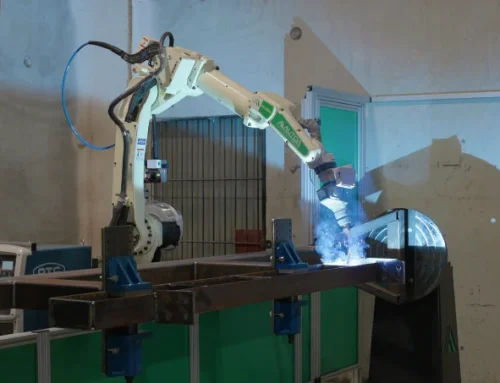
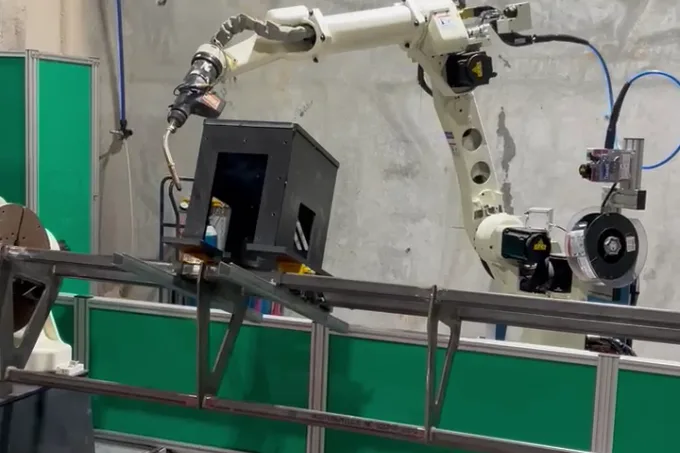
Many Australian fabrication businesses are modernising through automation. Solutions such as robot welding systems, larger configured welding cells like Autoa-SteelWeld and digital programming through AutoaWeld software are helping to increase throughput, accuracy, and repeatability.
These technologies reduce rework, improve resource utilisation, and make production more predictable. However, when imported fabricated assemblies are sold at significantly lower prices, even efficient workshops can feel pressure on margins. Safeguard measures aim to ensure market stability so that investment in automation remains viable and continues to support local capability.
What happens next in the Safeguard process
The process now moves into further examination. This may include deeper analysis, engagement with stakeholders, and potentially a full Safeguard investigation. The outcome of the ASI Safeguard application will depend on the Government’s assessment of import volumes, pricing pressure, and industry impact.
The ASI has indicated it will continue to communicate updates with the fabrication industry as decisions progress.
Why Autoa is following this development closely
Autoa works alongside Australian manufacturers who are building capability through robot welding and automation. Policy settings that influence competitiveness have a direct impact on investment confidence. Understanding developments such as the ASI Safeguard application helps fabricators make informed decisions about future equipment, capacity, and production strategy.
hello@autoaweld.com | AU: 1800 573 228 | NZ: 0800 37 55 66
Share this article