Laser Welding Vs Robotic MIG Welding: 7 Powerful Differences That Matter.
Published on 25 February 2026
Laser Welding vs Robotic MIG Welding is a decision many manufacturers face when upgrading or investing in a configured robot welding cell. Both processes deliver automated, repeatable weld quality, yet they serve different materials, tolerances, and production objectives.
Selecting the right process requires understanding where each method performs best, and where its limitations begin.
1. Heat Input and Distortion
Laser welding concentrates energy into a very small focal point. The result is a narrow heat affected zone and minimal distortion. This is particularly valuable in thin gauge stainless, aluminium, and cosmetic assemblies where dimensional control matters.
Robotic MIG welding introduces greater heat into the joint. On heavier materials, that additional heat supports penetration and structural integrity.
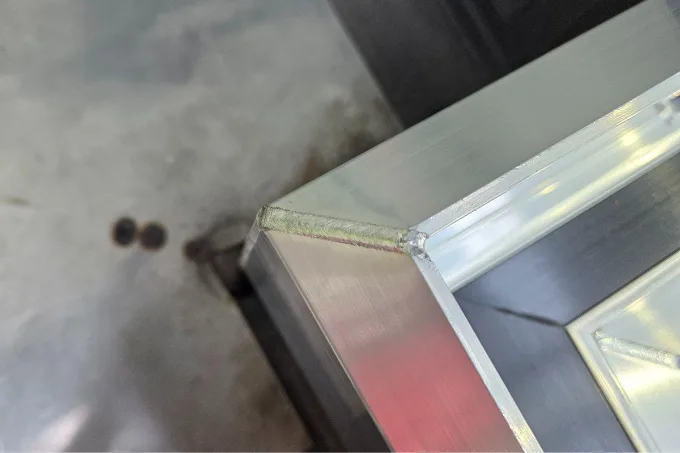
On lighter sections, it may increase distortion and the need for post weld straightening. Material thickness is often the first technical filter when comparing laser and robotic MIG processes.
2. Travel Speed and Productivity
Laser systems can achieve high travel speeds, especially on materials under 4 mm. Reduced spatter and minimal grinding can shorten overall production time. Robotic MIG welding remains highly productive in medium and heavy fabrication. Strong deposition rates and reliable arc stability make it well suited to structural steel and load bearing weldments.
3. Fit Up and Joint Tolerance
Laser welding demands precision. Tight fit up and accurate positioning are essential, particularly in keyhole mode welding. Gaps or misalignment can lead to lack of fusion or porosity.
Robotic MIG welding is generally more forgiving. It tolerates minor gaps and variation in joint preparation. This flexibility is valuable in structural fabrication environments where dimensional variation is common. For manufacturers evaluating Laser Welding vs Robotic MIG Welding, upstream processes such as cutting accuracy and jig design become critical considerations.
4. Weld Appearance and Post Processing
Laser welding produces a narrow, smooth weld bead with minimal spatter. In stainless food equipment, enclosures, or visible assemblies, this can significantly reduce grinding and polishing time.
Robotic MIG welding produces a wider bead profile. While consistent and mechanically strong, it may require additional finishing where cosmetic standards are high. Where appearance and reduced post processing labour are priorities, laser welding offers clear advantages. For a deeper explanation of how the laser process functions, see our detailed breakdown of laser welding fundamentals here.
5. Capital Investment and Operating Cost
Robotic MIG welding systems generally offer lower entry cost and established industry familiarity. Consumables such as wire and shielding gas remain part of ongoing operating expense. A proper financial comparison should assess throughput, labour savings, rework reduction, and consumable usage over a five year period.
6. Application Suitability
Laser welding is well suited to:
- Thin gauge stainless and aluminium
- Electrical cabinets and enclosures
- High speed repetitive production
- Applications requiring minimal distortion
Robotic MIG welding is well suited to:
- Structural steel fabrication
- Heavy sections and thick plate
- Load bearing assemblies
- Applications with variable joint preparation
7. Automation Integration
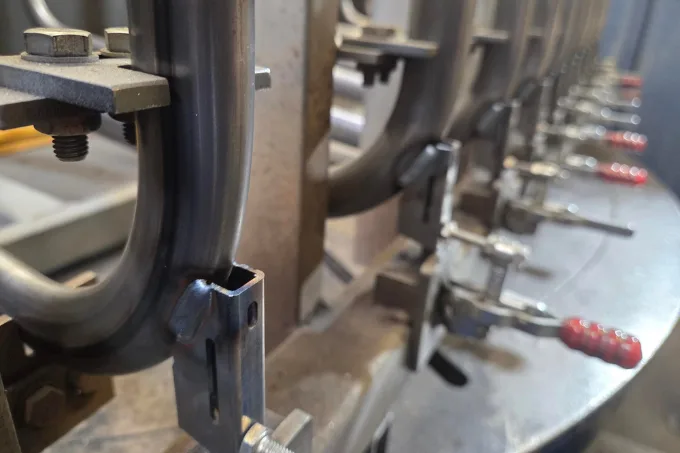
Both processes integrate effectively into robotic cells. Robotic MIG welding benefits from mature seam tracking and arc sensing technologies. It adapts well across varied joint types. Laser welding often requires higher precision fixturing and may incorporate vision systems for alignment and consistency. When assessing Laser Welding vs Robotic MIG Welding, it is important to evaluate the entire manufacturing workflow, not just the weld process itself.
Making The Right Decision
There is no universal winner in Laser Welding vs Robotic MIG Welding. Each process has strengths aligned to specific production environments. Laser welding supports speed, low distortion, and refined weld appearance. Robotic MIG welding supports structural strength, flexibility in joint preparation, and broader material thickness capability. For manufacturers across Australia and New Zealand considering a configured robot welding cell, the right decision starts with a clear understanding of the parts you are welding and the production requirements involved.
hello@autoaweld.com | AU: 1800 573 228 | NZ: 0800 37 55 66
Share this article